Loading...
Serving South San Francisco, CA and surrounding areas. (650) 822-6266
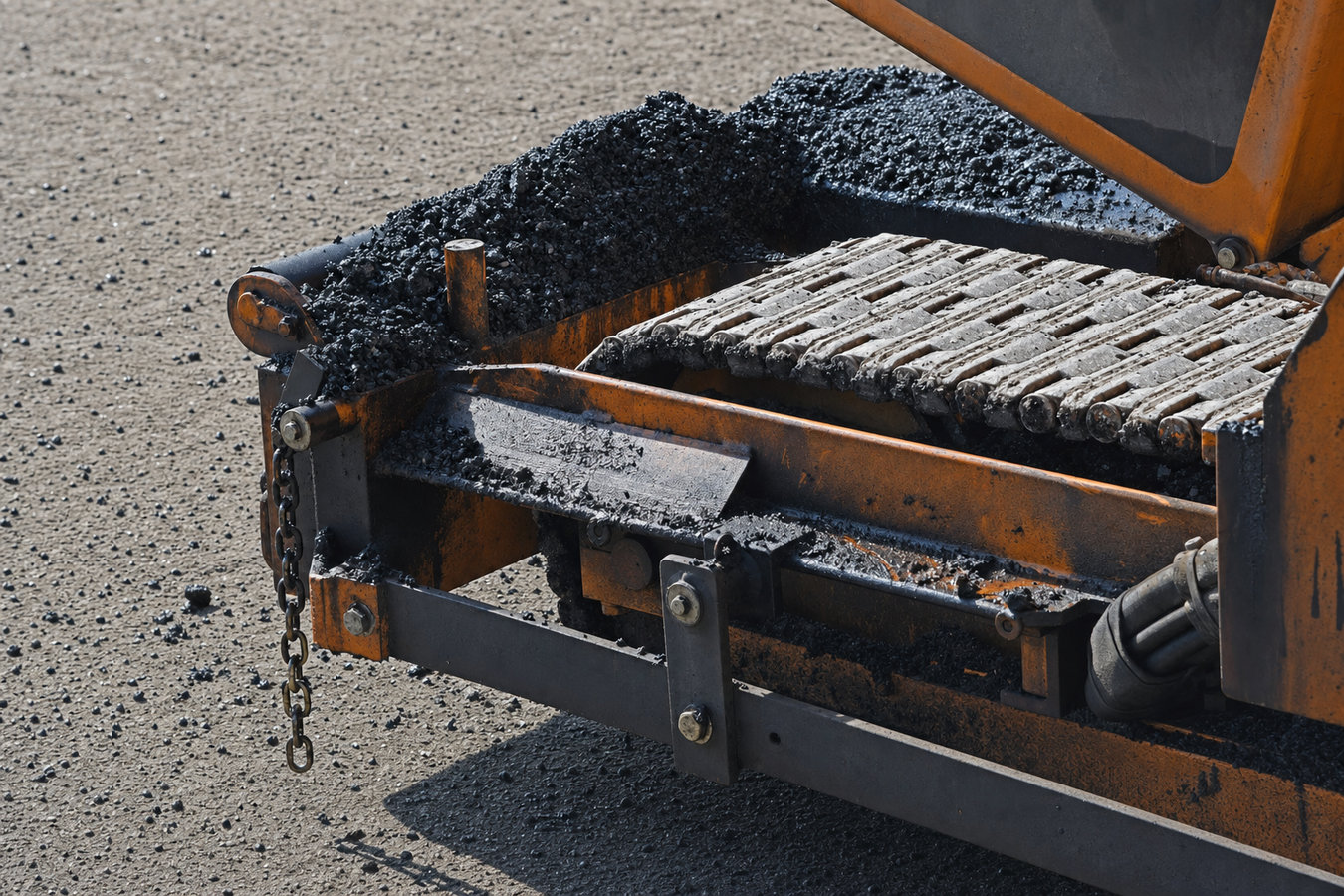
When patches keep failing and the surface is too far gone for an overlay, milling grinds off the damaged layer and gives new asphalt a clean, textured base to bond to - so the next surface actually lasts.
Asphalt milling in South San Francisco is the process of grinding down the top layer of a worn-out paved surface so a fresh asphalt layer can be laid on top - most residential driveways are milled in a few hours, and the full milling-and-repaving project typically wraps up in one to two days.
Laying new asphalt directly over a badly deteriorated surface is like painting over peeling walls - the problems underneath push through quickly. Milling removes the damaged material first, so the new surface bonds properly and lasts far longer. It also keeps the finished height of your driveway consistent, which matters for drainage, garage clearance, and curb transitions. If your base is still solid, milling and repaving is almost always the smarter, more affordable choice versus a full dig-out. South San Francisco's clay soils and seasonal ground movement are the main culprits behind surface deterioration here - not freeze-thaw - and milling gives a contractor the chance to re-establish a proper grade before laying new asphalt.
Milling is often the step before asphalt resurfacing - it prepares the surface so the new overlay actually bonds and performs as it should.
When asphalt starts breaking into loose pieces rather than just showing surface cracks, the top layer has reached the end of its useful life. Patching individual spots at this stage is a short-term fix at best - milling off the damaged layer and starting fresh is the more lasting solution.
South San Francisco's wet winters mean standing water on your driveway is a recurring problem if the surface has lost its proper slope. Low spots caused by soil movement trap water, which then works its way into the asphalt and speeds up deterioration. Milling lets the contractor re-establish the correct grade so water drains away as it should.
A pattern of interconnected cracks that looks like reptile scales signals that the surface layer has fatigued. On the Bay Area's clay-heavy soils, this pattern often develops as the ground shifts seasonally. Once cracking reaches this stage, milling and repaving is more effective than filling cracks one by one.
If you have had the same areas patched two or three times and they keep failing, the underlying surface is too far gone for more patches to hold. Milling removes all of that old, compromised material at once and gives you a clean, uniform base for a new surface that will actually last.
We handle residential driveway milling and repaving, commercial parking area milling, and drainage correction projects across South San Francisco and the surrounding Peninsula. Our milling machine makes systematic passes across your surface, grinding the old asphalt to a consistent, even depth. A skilled crew mills to a uniform grade across the whole surface - uneven milling leaves high and low spots that show up as bumps or puddles in the finished driveway. The ground-up material is loaded directly into trucks and hauled to a recycling plant, where it becomes reclaimed asphalt pavement blended into new mix. We then lay hot-mix asphalt within a day or two of milling - while the base is clean and undisturbed - and compact it to a smooth, durable finish. The new layer is graded to direct water away from your home and toward the street or a designated drainage point. Every project that touches the driveway apron includes a check on permit requirements, since work near the public right-of-way in South San Francisco may need city approval. We coordinate with our drainage solutions work when a project also needs catch basins or channel drains to handle the water that the new grade redirects.
Not every deteriorated driveway needs milling - if the base has failed, a full dig-out and replacement may be necessary. We assess the base condition during the estimate visit and give you a straight answer about which approach makes sense, because recommending milling on a failed base would be setting you up for the same problems in a few years. For driveways where milling is the right call, our crew is equipped to handle residential jobs on South San Francisco's tight lots, including planning equipment access, managing concrete delivery constraints, and working around landscaping or parked vehicles. This is the same preparation step that precedes a quality asphalt resurfacing job, so if resurfacing is in your future, milling is where it starts.
For homeowners with deteriorated driveways where the base is still solid - grinds off the damaged top layer and prepares a clean bonding surface for fresh asphalt.
For driveways with standing water or slopes that pitch toward the home - milling allows the grade to be reset before the new surface goes down, so water drains correctly from day one.
For business properties with failing lot surfaces - larger milling equipment covers more area efficiently, and we coordinate phasing to minimize disruption to parking access.
For homeowners who want the complete job handled by one crew - milling and new asphalt installation scheduled back-to-back so the base is not left exposed to weather or traffic.
South San Francisco does not get hard freezes, so the classic freeze-thaw cracking you hear about in colder climates is not what is damaging your driveway here. What is: the expansive clay soils common across the San Francisco Peninsula swell when saturated with winter rain and shrink as they dry through summer. That seasonal movement gradually pushes asphalt out of shape, creating low spots, edge cracking, and uneven grades. Milling gives a contractor the chance to re-establish a proper grade before laying new asphalt - which is especially important in areas where drainage has been compromised by years of soil movement. Properties in Brisbane and Millbrae share the same Peninsula soil and moisture conditions, and the same drainage-first approach applies across these communities.
Timing also matters more here than in drier climates. The Bay Area rainy season runs roughly from November through March, and fresh asphalt needs dry conditions to cure and bond properly. Scheduling milling and repaving in the spring through early fall gives the new surface the best chance to perform well from the start. South San Francisco's frequent coastal fog and elevated humidity - even in summer - mean the contractor needs to monitor conditions and choose the right days to pour. An out-of-area crew that does not account for marine moisture can deliver a finished surface that looks fine on day one but starts delaminating sooner than it should. We work here year-round and schedule accordingly.
Describe your project and we will schedule an on-site visit. A good contractor walks the surface with you and checks not just the visible damage but the condition of the base underneath, because that determines whether milling alone is the right approach.
After the site visit you will receive a written proposal specifying the milling depth and new asphalt thickness. We confirm whether a city permit is required at this stage - for driveway apron work near the public right-of-way, the permit process can take a few extra days, so we start it early.
The milling machine makes systematic passes across your surface, grinding the old asphalt to the agreed depth. The ground material is loaded into trucks for recycling. Expect noise and some dust - managed with water suppression - and a rough, grooved surface when the crew finishes. Most residential driveways are milled in a single morning.
Within a day or two, the crew returns to lay hot-mix asphalt and compact it to a smooth, even finish. We walk the finished surface with you before closing out the job - confirming grade, edge transitions, and that utility covers are properly raised. New asphalt needs at least 24 hours before regular vehicle traffic.
We check the base, confirm permit needs, and give you an honest recommendation - milling, overlay, or full replacement.
(650) 822-6266Milling on a failed base is money wasted. We check the base condition during every estimate visit and give you a straight answer - milling, overlay, or full replacement - based on what is actually under your driveway, not on which option is easiest for us to sell.
Uneven milling leaves high and low spots that show up as bumps or puddles in the finished driveway. Our crew uses grade controls and checks depth throughout the job - not just at the end. This is one of the clearest differences between a careful crew and a rushed one. NAPA industry standards guide our milling and paving practices.
South San Francisco's wet winters mean a driveway that drains toward the garage is a real problem every year. When we mill and repave, we reset the grade so water moves away from your home - addressing the drainage issue at the same time as the surface failure.
California requires paving contractors to hold a current state license - you can verify any contractor's license status online through the California State Licensing Board. We are licensed, carry liability insurance and workers' compensation, and handle any South San Francisco permit requirements before equipment arrives.
These are not bullet points we added to a template - they are the reasons homeowners in South San Francisco and across the Peninsula call us when a driveway has gone past the point where more patches make sense.
For information on asphalt recycling and industry best practices, the National Asphalt Pavement Association publishes contractor and consumer resources. California contractor licensing requirements are administered by the Contractors State License Board.
Channel drains, catch basins, and grading corrections that work alongside milling to move water away from your property.
Learn MoreThe fresh asphalt layer that goes down after milling - a complete resurfacing job starts with milling to bond properly.
Learn MoreCall us today or request a free estimate - we check the base, handle permits, and get your driveway milled and repaved before the next rainy season arrives.