Loading...
Serving South San Francisco, CA and surrounding areas. (650) 822-6266
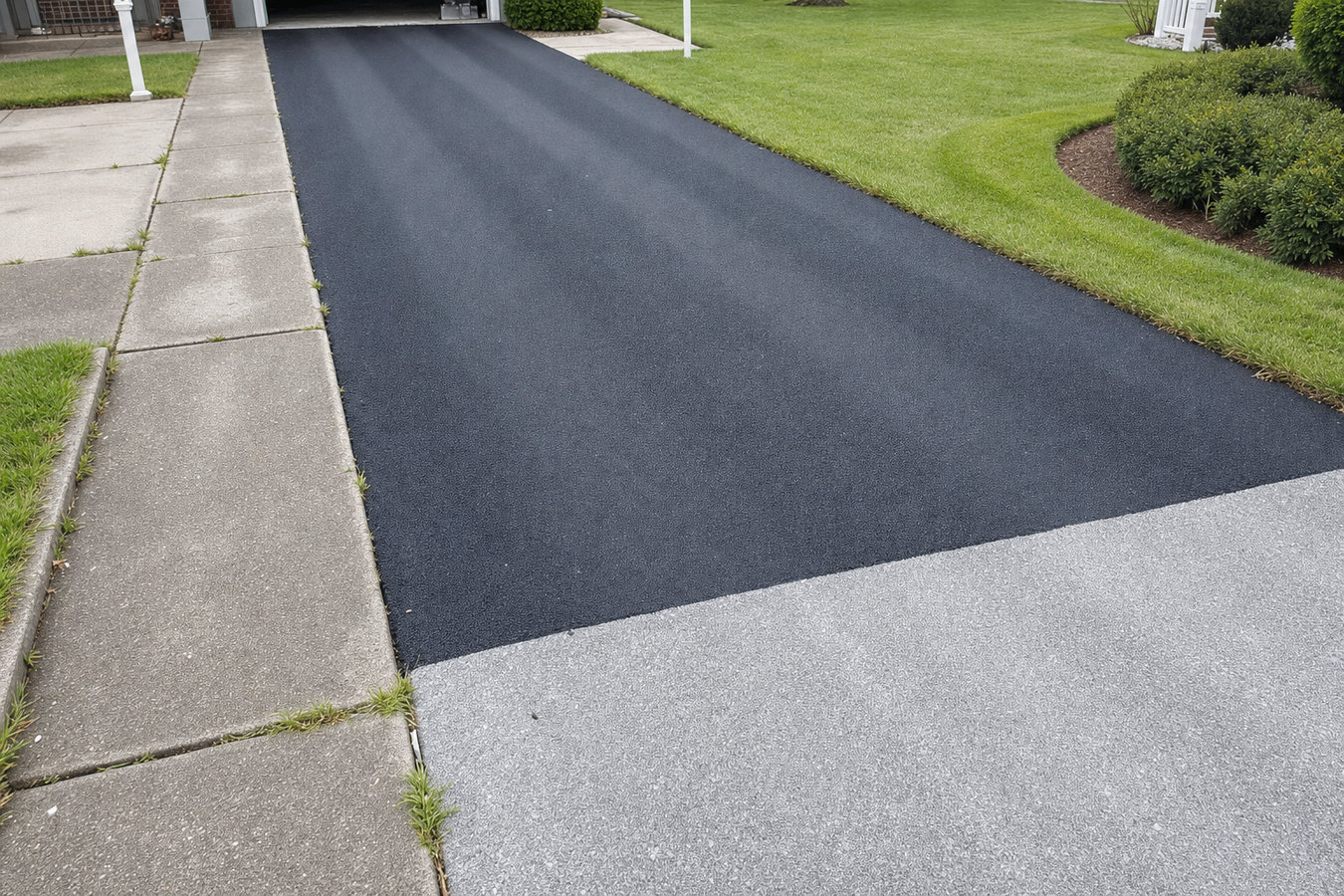
A worn, gray driveway does not always need to be torn out and replaced. Resurfacing adds a fresh asphalt layer over a sound base and restores your surface for a fraction of full replacement cost.
Asphalt resurfacing in South San Francisco means laying a fresh layer of hot-mix asphalt over an existing driveway or parking surface - the old pavement stays in place, the crew preps and bonds the new layer on top, and most residential driveways are finished in a single day with vehicles back on the surface within two to three days.
Resurfacing is the right call when the base underneath is still structurally solid and the damage is mostly at the surface - cracking, fading, roughness, or minor low spots. If the base has shifted, crumbled, or sunk significantly, full replacement is usually the better investment. A good contractor will check the base before recommending anything, not just lay new asphalt over an unstable foundation.
For driveways and lots where the damage has gone deeper than the surface, we also offer pothole repair as a targeted fix for isolated base failures before a full resurfacing job - or we can assess whether a complete replacement is the more cost-effective path.
Fresh asphalt is dark and slightly flexible. When it fades to a dull gray and feels coarse underfoot, the surface oils have oxidized away and the pavement is becoming brittle. In South San Francisco's combination of marine fog and dry summer sun, this weathering happens steadily - resurfacing at the right time prevents deeper damage from setting in.
A web of fine cracks spreading across the surface - sometimes called alligator cracking - is a sign the top layer is breaking down. If the cracks are shallow and the base underneath still feels solid, resurfacing can seal everything over and restore a smooth surface before water gets in and worsens the damage.
South San Francisco gets most of its rain between November and April. If the same low spots collect water every time it rains, the surface has settled unevenly. Standing water accelerates deterioration and can work into the base - resurfacing with proper grading corrects the drainage problem along with the surface.
Driveway edges are the first place to show wear, especially on hillside properties where water runs off the sides. Crumbling or broken edges signal that the surface layer is failing. Catching it at this stage - before the damage spreads inward - is when resurfacing delivers the most value relative to cost.
We handle asphalt resurfacing for residential driveways and commercial lots across South San Francisco - from straightforward flat driveways to the hillside and sloped properties common in Westborough, Buri Buri, and the neighborhoods above Grand Avenue. Every resurfacing job starts with a base assessment during the estimate visit. We check for signs of subgrade movement, measure drainage direction and slope, and confirm the existing pavement is in a condition where a new layer will bond properly and hold. For South San Francisco's hillside lots, we pay specific attention to drainage grading - the new asphalt needs to shed water away from the property, not channel it toward the garage or foundation. If the base shows signs of failure in isolated spots, we address those with targeted repair before laying the new surface. For situations where the damage is limited to isolated areas and full resurfacing is not yet needed, we also offer pothole repair as a cost-effective interim step.
Permit requirements depend on which portions of the driveway are included in the scope. Resurfacing entirely on private property typically does not require a permit in South San Francisco, but work that touches the public apron - where the driveway meets the sidewalk or street - may require city approval. We advise you on what applies to your project and handle any permit coordination needed. For properties that need the underlying surface completely removed and rebuilt rather than resurfaced, our full asphalt milling service removes the old pavement down to the base before fresh material is laid.
Best for homeowners whose driveway has aged and weathered but whose base is still sound - restores a smooth, dark surface in a day with vehicles back in two to three days.
Suited for parking lots and business driveways where the surface has deteriorated but the base is intact - a faster and less expensive option than full demolition and replacement.
For driveways on South San Francisco's hillside lots - requires specific attention to slope, drainage direction, and edge transitions that flat-lot resurfacing does not account for.
For surfaces where the base has failed in isolated areas - targeted repairs bring those sections back to grade before the new layer is laid, so the finished surface is consistent throughout.
South San Francisco does not have the freeze-thaw cycles that crack pavement in colder climates - but the Bay Area has its own version of that problem. The expansive clay soils common across the San Francisco Peninsula swell when wet and shrink when dry. That seasonal movement pushes and pulls pavement from below, causing surface cracking and edge separation even without heavy traffic. This is why base condition is so important before any resurfacing job here: a new layer laid over an unstable base will crack in the same places within a few seasons. For driveways in neighborhoods like Westborough and Buri Buri, where hillside terrain adds slope and drainage complexity, getting the base assessment right before committing to resurfacing is the difference between a lasting result and a recurring repair bill. Homeowners in nearby San Bruno face similar hillside and clay-soil conditions and benefit from the same local expertise.
South San Francisco also gets regular marine fog rolling in from the bay and the Pacific. That moisture works into small cracks and weakens bonds between layers over time, while the sun exposure when the fog clears accelerates surface oxidation. Scheduling resurfacing work during the late spring through early fall dry season gives the new asphalt the best curing conditions, but Bay Area contractors experienced with coastal fog know how to work around limited windows during other times of year. Properties in Pacifica and the coastal communities to the south deal with even heavier fog exposure - the same scheduling discipline applies across the whole Peninsula.
Call or message us with your driveway details - approximate size, age, and what you are seeing. We respond within one business day and schedule a free on-site visit to look at the surface and base before quoting anything.
We check the base condition, measure the area, and look at slope and drainage direction. This determines whether resurfacing is the right solution, whether base spot-repairs are needed first, or whether a full replacement is the more honest recommendation.
On the day of work, the crew cleans the existing surface, fills any significant cracks or low spots, and applies a tack coat - a bonding layer that helps the new asphalt stick. This prep step is what separates a long-lasting result from one that peels within a few years.
The crew lays the new hot-mix asphalt and compacts it with a roller - typically a few hours for a residential driveway. Stay off the surface for 24 hours on foot, 48 to 72 hours for vehicles. Plan to park on the street for a couple of days, and follow up with a sealcoat several months later to lock in the investment.
Free on-site estimate. Written quote before any work begins. We check the base honestly and recommend resurfacing only when it is the right call for your property.
(650) 822-6266South San Francisco's hillside neighborhoods - Westborough, Buri Buri, and the areas above Grand Avenue - have driveways that run at a noticeable slope. Proper drainage grading on a sloped surface is critical, and it requires more than just laying a level coat. We account for your property's specific slope, crown, and drainage direction as part of every hillside resurfacing project.
We will tell you directly if your base has failed and resurfacing will not hold - and recommend a full replacement instead. South San Francisco's clay soils and Bay mud create base failure patterns that resurfacing cannot fix. A contractor who overlays a failed base is selling you a short-lived result. We check first and give you a straight answer.
California requires paving contractors to hold a current state license. You can verify any contractor's status through the CSLB online lookup - it takes about two minutes. A valid license means the contractor has met state requirements and carries the accountability that protects you if something goes wrong.
Work that touches the public apron - where your driveway meets the sidewalk or street - may require a city permit in South San Francisco. We advise you on what applies to your project and handle permit coordination when it is needed, so you are not left with unpermitted work that creates problems when you sell or face a city inspection.
Resurfacing done right in South San Francisco requires knowing the soil, the slope, and the fog season - not just how to lay asphalt. Our combination of local terrain experience, honest base assessments, and permit knowledge is what keeps our resurfacing jobs lasting well beyond the first rainy season.
Targeted repair for isolated base failures before committing to a full resurfacing project, or when the damage is limited to specific areas.
Learn MoreFull removal of the existing surface down to the base when resurfacing is not the right answer and the pavement needs to be rebuilt from scratch.
Learn MoreOur crew is booking Bay Area jobs now - lock in your date before the summer dry season fills the calendar and you are waiting through another rainy season.