Loading...
Serving South San Francisco, CA and surrounding areas. (650) 822-6266
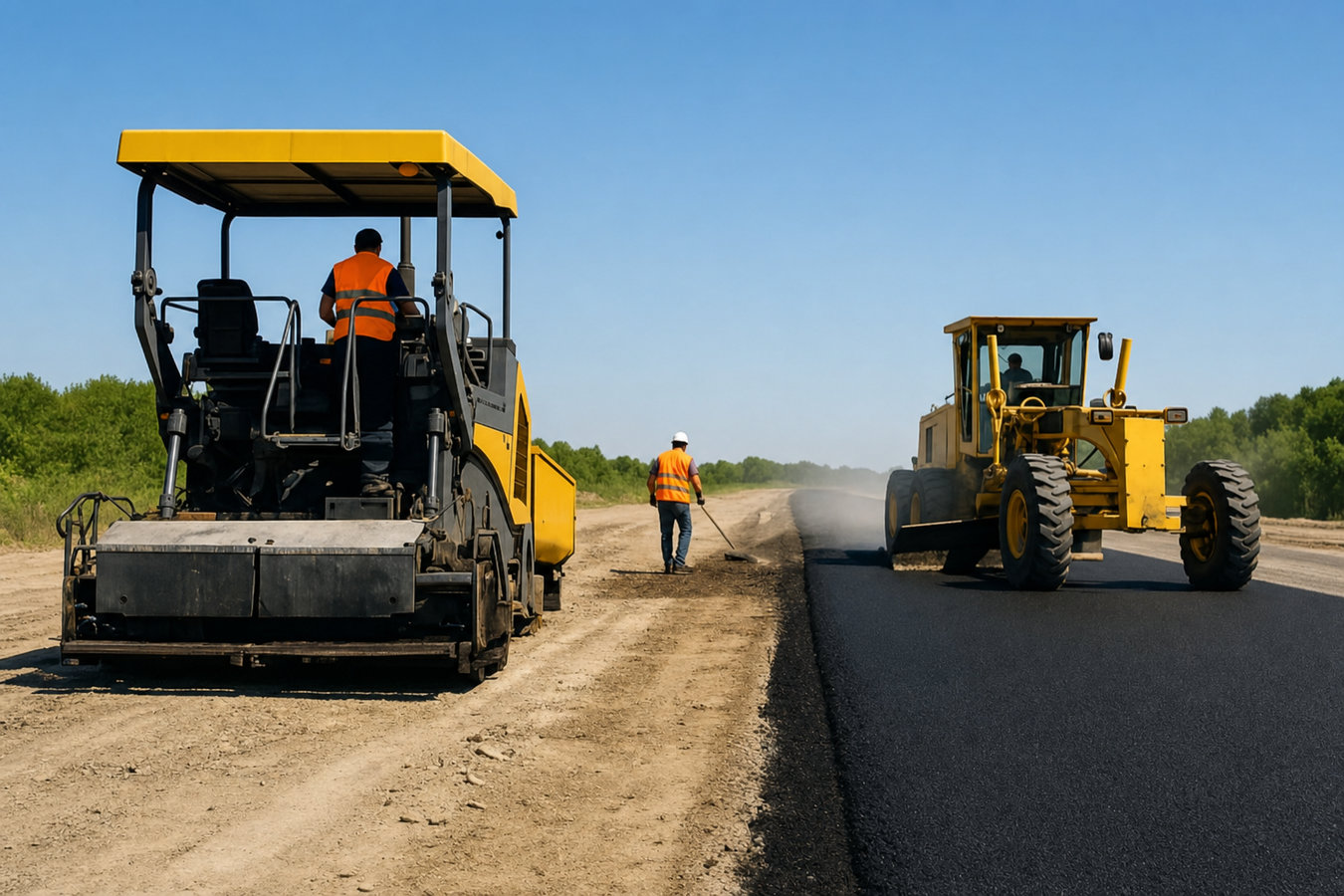
Keystone South SF Asphalt Paving serves San Francisco with asphalt paving, driveway installation and resurfacing, garage apron replacement, sealcoating, and commercial lot work - built for the city's steep grades, foggy wet season, and tight urban access. We have been working in the Bay Area since 2015 and respond to every estimate request within one business day.
San Francisco's steep grades, narrow lots, and ground-floor garages make asphalt paving more complex here than almost anywhere else in the Bay Area - and the city's fog-heavy wet season means a surface that is not installed correctly will show damage within a year or two. Our asphalt paving work covers full-depth driveways, garage apron replacement, and commercial surfaces across every San Francisco neighborhood, with equipment and staging planned around the city's tight access.
A large share of San Francisco homes - especially in the Sunset, Richmond, and Noe Valley - have short, steep driveways leading to ground-floor garages, and the concrete aprons on these approaches crack and spall faster than typical flat-lot driveways because surface water concentrates at the base of the slope. Replacing a failing apron or full driveway with properly formed and compacted asphalt gives the home a surface that handles both the grade and the Bay Area's wet-dry cycle.
San Francisco's persistent marine fog keeps asphalt surfaces damp for hours each day, especially in the Outer Sunset and Outer Richmond, and that moisture combined with UV exposure during the dry season oxidizes and dries out the binder faster than most homeowners expect. Sealcoating every two to three years restores the surface, seals micro-cracks before water penetrates, and significantly extends the life of a driveway or commercial lot.
San Francisco sits near the San Andreas Fault, and even minor seismic activity can widen hairline cracks in a driveway surface enough to let the November-March rainy season in. Once water reaches the base material under asphalt, it weakens the foundation and the damage accelerates with each wet cycle. Sealing cracks before the rainy season closes that water path and prevents a minor maintenance issue from becoming a full replacement job.
Potholes in San Francisco driveways and private lanes form when water enters a surface crack, saturates the base, and then the pavement above collapses under vehicle loads - a cycle that accelerates on steep grades where water flow concentrates. A proper hot-mix cut-and-fill repair removes all the failed material, restores the base, and levels the patch to match the surrounding grade so the repair holds rather than failing again at the edges within one rainy season.
Hillside San Francisco properties often need regrading before any new paving can be installed - a slope that has shifted over decades, collected debris against a retaining wall, or settled unevenly in areas with fill soil near the northern waterfront needs to be cut and leveled before asphalt goes down. Getting the grade right is what determines whether a new driveway sheds water correctly or pools it at the base of a steep approach where it does the most damage.
San Francisco's combination of steep hillside lots, older Victorian and Edwardian housing stock, and a wet season that runs from November through March creates a specific set of paving challenges that do not exist in most other Bay Area cities. The majority of residential homes in neighborhoods like the Sunset, Richmond, and Noe Valley were built between the 1890s and the 1950s, which means driveways, garage aprons, and sidewalk transitions on these properties are often 50 to 130 years old and have been through many cycles of rain, fog, and seismic ground movement. Salt air from the Pacific and the bay accelerates the breakdown of asphalt binder and concrete surfaces year-round, and the foggy microclimate in the western neighborhoods keeps surfaces damp enough that unprotected asphalt oxidizes faster than it would in a drier city.
The city's proximity to the San Andreas Fault - and the fill soil that underlies areas like the Marina District, SoMa, and parts of the northern waterfront - adds another demand driver that most paving contractors working outside San Francisco simply have not encountered. Fill soil compresses and shifts differently than bedrock or native clay, and driveways on fill lots settle and crack even without a significant earthquake. San Francisco property owners are also responsible under city code for the sidewalk sections adjacent to their property, and sidewalk repair work in the city goes through the San Francisco Department of Building Inspection. Understanding all of these factors - grade, soil type, climate exposure, city permit process - is what separates a contractor who does good work from one who does work that holds up in San Francisco specifically.
Our crew works throughout San Francisco regularly, and we understand the local conditions that affect asphalt paving work here. Navigating Van Ness Avenue, Geary Boulevard, and 19th Avenue during business hours with a truck and equipment takes planning, and getting to properties up in the hills near Twin Peaks or Bernal Heights means routing carefully to avoid streets where a loaded truck cannot make the grade. The western avenues in the Sunset and Richmond are more accessible, but fog season there runs deeper into summer than almost any other part of the city and affects scheduling around surface temperatures for sealcoating and hot-mix work.
We have also worked on properties in neighborhoods across the city - from the flat commercial corridors near Fisherman's Wharf and the Embarcadero to steep residential streets in the Castro and Noe Valley. San Francisco is one city but it is dozens of different working environments, and our crew knows how to adapt staging, access, and scheduling to whichever neighborhood the job is in. We also serve nearby Brisbane and the wider South Bay, and often work across both sides of the county line in the same week.
Reach us by phone or through the contact form and we will confirm a site visit within one business day. San Francisco urban logistics mean we schedule visits with enough time to find parking, access the property, and assess the full scope without rushing.
We assess the existing surface, sub-base condition, grade, drainage, and any access constraints specific to your San Francisco property - including whether the garage apron requires curb-cut coordination with the city. You receive a written line-item estimate with no obligation, so you know exactly what the work costs and why before agreeing to anything.
We coordinate parking enforcement, neighbor access, and equipment staging in advance so the work day runs smoothly on San Francisco's tight residential and commercial streets. Removal, base prep, and new asphalt are typically completed within one to two days for a standard driveway job, with the surface ready for light vehicle use within 24 hours of completion.
Before we leave, we walk the finished surface with you, confirm drainage is correct, and review maintenance recommendations for San Francisco's climate - including when to apply sealcoat and how to handle cracks before the rainy season. You are not left guessing about upkeep.
We serve all San Francisco neighborhoods - from the Outer Sunset to SoMa - and reply to every request within one business day. No obligation, no pressure.
(650) 822-6266San Francisco is California's only consolidated city-county, occupying about 47 square miles on a peninsula between the Pacific Ocean and San Francisco Bay. The city is home to well over 800,000 people living in dozens of distinct neighborhoods - the flat western avenues of the Sunset and Richmond bordering Golden Gate Park, the hillside streets near Twin Peaks and Bernal Heights, the dense Victorian blocks of the Mission and Haight-Ashbury, and the mixed commercial and residential character of SoMa and the Embarcadero waterfront. Most of the city's residential housing stock dates from the late 1800s through the 1950s, with a concentration of Victorian and Edwardian wood-frame homes in neighborhoods like the Western Addition, Noe Valley, and the Castro that are now 70 to 130 years old. The City of San Francisco manages permits, building inspections, and sidewalk maintenance requirements for property owners across all of these neighborhoods.
The city's hills - Nob Hill, Russian Hill, Twin Peaks, Potrero Hill, and dozens more - define the character of San Francisco neighborhoods as much as any other feature. Homes on these slopes often have garages built into the ground floor, short steep driveways, and concrete approaches that meet the sidewalk at a sharp angle. These properties need contractors who are comfortable working on grades and who understand how water moves on a hillside lot. We also serve the communities that border San Francisco to the south, including Daly City and Pacifica, and regularly work across the county line depending on where a job takes us.
Durable concrete curbs and sidewalks to complete your project.
Learn MoreWe know San Francisco's neighborhoods, grades, and permit process. Call us or send a message and we will get back to you within one business day.