Loading...
Serving South San Francisco, CA and surrounding areas. (650) 822-6266
Keystone South SF Asphalt Paving serves Oakland with commercial asphalt paving, parking lot installation, driveway replacement, sealcoating, crack sealing, and pothole repair - all built for the clay soils, seasonal ground movement, and older housing stock that define paving challenges here. We have been working across the East Bay since 2015 and respond to every estimate request within one business day.
Oakland has significant commercial activity along the I-880 corridor, near the Port, and on major surface streets like Broadway and International Boulevard - corridors where parking lots and loading areas carry heavy truck traffic on clay soils that shift with every wet season. Our commercial asphalt paving work includes proper base design for Oakland's soil conditions, ADA-compliant layout, and striping so the lot opens ready for use and holds up under real commercial load.
Craftsman bungalows and Victorian-era homes in Temescal, Fruitvale, and West Oakland frequently have driveways that are 70 to 100 years old, installed on clay soils that have been shifting and swelling beneath them for decades. When cracking, heaving, or drainage failure has made continued repairs impractical, a full driveway replacement with a properly compacted base gives the property a surface that handles Oakland's seasonal soil movement rather than fighting it.
Oakland's retail centers, multi-family properties, and institutional campuses often have aging parking surfaces that show the effects of clay soil movement, years of deferred maintenance, or heavy vehicle loads the original pavement was not designed to carry. A new lot installation or full resurfacing with the correct base depth for Oakland's clay flatlands produces a surface that stays level, drains correctly, and does not require constant repair through the rainy season.
Oakland's clay soils produce fresh surface cracks every few years through the shrink-and-swell cycle, and those cracks are the main entry point for the winter rain that causes base failure. Sealing them before November closes the water path before the first heavy storm of the rainy season. In hillside neighborhoods near the Hayward Fault, crack patterns can also indicate recent ground movement that should be assessed before the rainy season arrives.
Properties in West Oakland and near the bay waterfront are exposed to salt air and morning fog year-round, and that combination accelerates the oxidation of asphalt binder faster than in drier, inland parts of the East Bay. Sealcoating every two to three years protects the binder from both moisture and UV exposure during Oakland's dry summers, slowing the surface deterioration that leads to cracking and shortens the service life of an otherwise sound pavement.
Potholes form in Oakland driveways and lots when surface cracks allow winter rain to saturate the clay sub-base, which then softens and shifts under vehicle loads until the asphalt above collapses. On commercial properties along Oakland's busier corridors, a single pothole near an entrance can become a liability issue quickly. A proper cut-and-fill repair removes all the failed base material, restores adequate support, and fills with hot-mix asphalt so the repair holds through the next wet season rather than crumbling again at the edges.
Oakland sits on a mix of terrain - flat bay-margin land in the west, rolling hills in the center, and the steep Oakland Hills in the east - and each zone comes with its own paving challenges. The flatland neighborhoods, including Fruitvale, West Oakland, and the areas near Lake Merritt, sit on expansive clay soils and bay mud that swell significantly when wet and shrink back during the long dry season. The USGS has documented the degree to which Bay Area clay soils move with seasonal moisture changes, and that movement is a primary driver of driveway and parking lot deterioration across Oakland's flat neighborhoods. Contractors who do not account for this soil behavior in their base preparation routinely produce pavement that cracks and heaves within a few years of installation - regardless of the quality of the asphalt itself.
The Hayward Fault - which runs directly through the Oakland Hills and is considered one of the most dangerous faults in the country by seismologists - adds a second dimension to paving challenges in the hillside neighborhoods. Even moderate seismic activity cracks driveways and shifts retaining walls in Montclair, Rockridge, and Redwood Heights, and the steep grades on these lots mean that base failure under a cracked surface can lead to drainage problems that accelerate damage quickly. On top of geology, Oakland's older housing stock - Craftsman bungalows from the early 1900s are common across Temescal, Laurel, and the Dimond district - means driveways on many properties have been in the ground for 60 to 100 years and are well past the point where surface repairs alone are a practical solution.
Our crew works throughout Oakland regularly, and we understand the local conditions that affect asphalt paving work here. The city splits into very different working environments - getting to a commercial lot near the Port of Oakland off I-880 is a completely different operation from reaching a hillside driveway in Montclair off Highway 13, and the soil and grade conditions at each job are as different as the access routes. On commercial projects near the Port and along Oakland's industrial corridors, we account for the heavy-load demands that come with truck traffic on clay soils. On residential jobs in the older flatland neighborhoods, we assess whether the existing base is still serviceable or whether the clay movement has degraded it enough to require full replacement rather than resurfacing.
Oakland's distinct neighborhoods - the historic Craftsman blocks of Rockridge and Temescal, the waterfront areas near Lake Merritt, and the hillside streets approaching Joaquin Miller Park - each bring their own access and site conditions that require planning before a crew arrives. We also serve communities adjacent to Oakland, including San Bruno on the Peninsula, and work across county lines depending on where projects take us. For Oakland permit work, the City of Oakland handles public works permits and right-of-way approvals, and we manage that process as part of the job.
Call us or submit a request through the contact form and we will confirm a site visit within one business day. We serve all Oakland neighborhoods - flatlands, hills, and commercial corridors - so wherever your property is, we can get there.
We evaluate the surface condition, base integrity, grade, soil type, and drainage - and we tell you honestly whether repair, resurfacing, or full replacement is the right call for your Oakland property. You receive a written line-item estimate with no obligation, so the cost and scope are clear before any work begins.
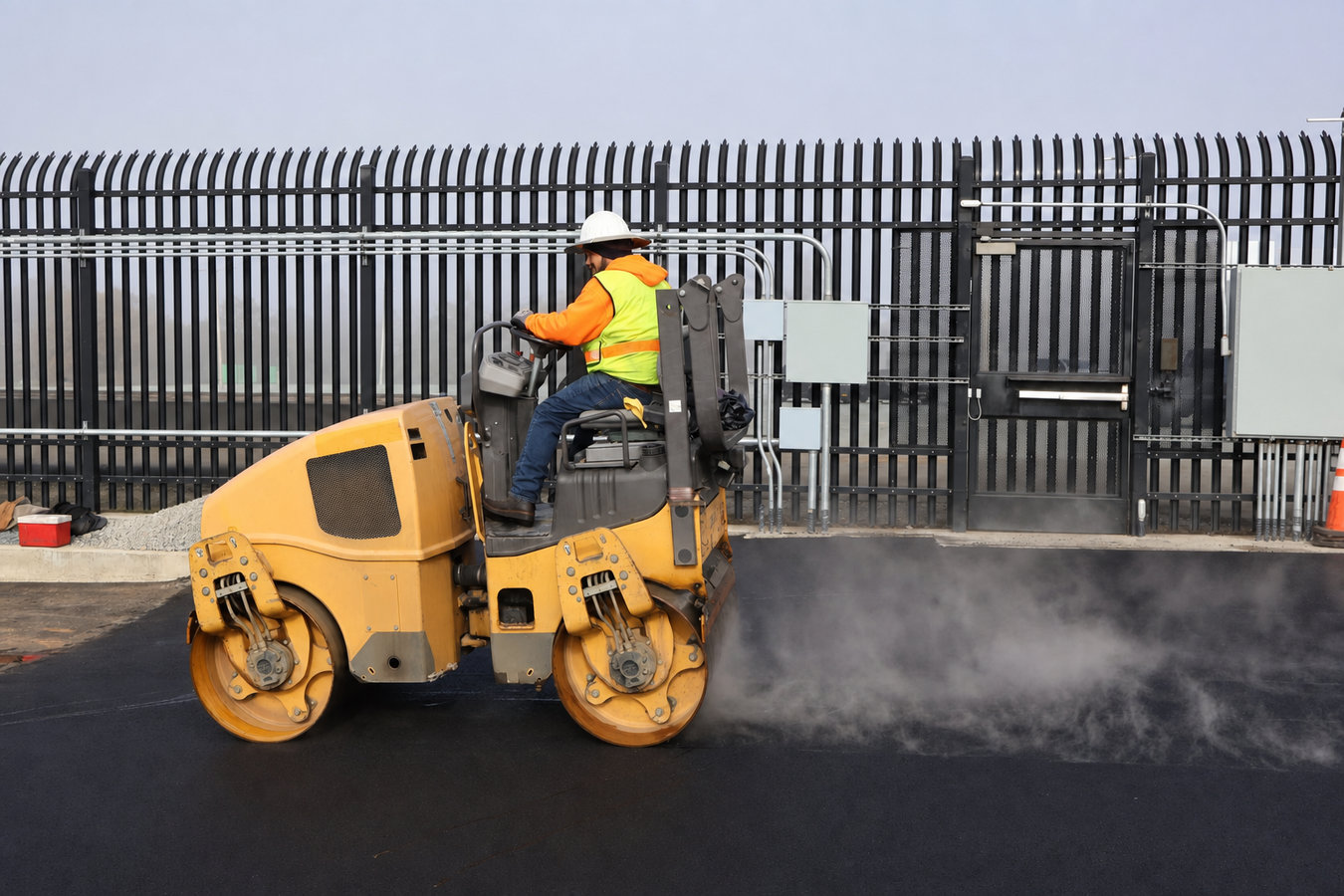
On Oakland jobs, base preparation is never skipped - clay soil behavior means that asphalt laid over an inadequate base will fail within a few years regardless of surface quality. We remove the old material, prepare and compact the base to the depth the soil and load require, and install hot-mix asphalt in lifts suited to the job. Most residential driveways are completed within one to two days, with the surface ready for vehicles within 24 hours.
We walk the finished surface with you, confirm that drainage is correct, and give you a clear maintenance timeline - including when to sealcoat and when to address seasonal cracks before the Oakland rainy season starts in November. You leave the project knowing what to watch for and when to call.
We serve all of Oakland - from the flatlands near the bay to the hillside neighborhoods above Highway 13 - and respond to every estimate request within one business day.
(650) 822-6266Oakland is one of the largest cities in the East Bay with a population well over 400,000, sitting on the eastern shore of San Francisco Bay in Alameda County. The city's geography runs from the flat waterfront neighborhoods - home to the Port of Oakland, one of the busiest container ports on the West Coast - up through dense residential flatlands centered around Lake Merritt and landmarks like Joaquin Miller Park in the hills. Oakland's housing stock reflects its long history: Craftsman bungalows and Victorian-era homes from the early 1900s fill neighborhoods like Rockridge, Temescal, and the Laurel District, while mid-century stucco construction is common throughout the flatlands. Many of these properties have driveways, garages, and parking surfaces that have been in place for 60 to 100 years and are showing the effects of decades of clay soil movement and seasonal rain cycles.
The Oakland Hills, rising steeply on the city's eastern edge, include neighborhoods like Montclair and Redwood Heights where steep lots, terraced driveways, and retaining walls are the norm. These hillside properties face a combination of grade challenges, proximity to the Hayward Fault, and the fire-hazard conditions documented by agencies including FEMA that make non-combustible hardscaping and proper drainage a priority for many homeowners. We also cover nearby communities on the other side of the bay, including Foster City and Burlingame, and work across the Bay Bridge corridor for clients with properties on both sides.
Durable concrete curbs and sidewalks to complete your project.
Learn MoreWe know Oakland's clay soils, hillside grades, and older housing stock. Call or send a message and we will respond within one business day with a free on-site estimate.