Loading...
Serving South San Francisco, CA and surrounding areas. (650) 822-6266
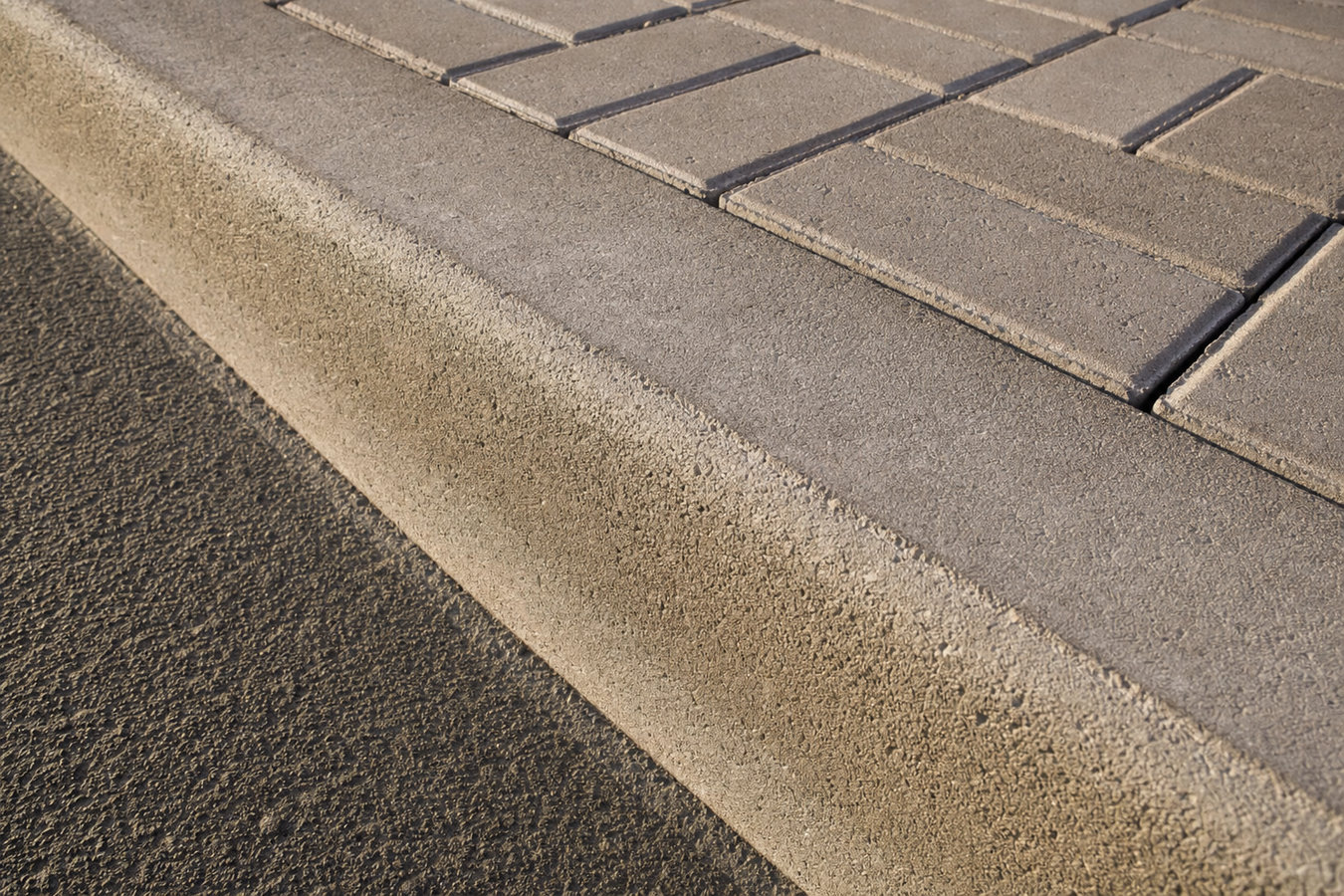
Cracked walkways and broken curbing are a trip hazard and an eyesore. We pour concrete built for Bay Area soils - with a solid base, proper joints, and permit handling when the city is involved.
Concrete curbing and sidewalks in South San Francisco means forming, pouring, and finishing concrete along walkways, driveway edges, and property borders - most residential jobs are completed in one to two days of active work, though the surface needs at least 24 to 48 hours before foot traffic and continues to cure for about a month.
The work starts with what you cannot see: the base. Compacted soil and, where needed, a layer of gravel beneath the slab is what keeps concrete from sinking, heaving, or cracking unevenly over time. South San Francisco sits on clay-heavy and fill soils that shift with each wet season, so skipping base preparation is one of the most common shortcuts that leads to early failure here on the Peninsula. We also cut control joints - shallow grooves at regular intervals - so any future movement cracks in a controlled, nearly invisible line rather than diagonally across the surface.
If your property also has aging paved areas, concrete curbing pairs well with fresh driveway paving to give the whole front of your home a finished, cohesive look.
If you see cracks running across your sidewalk or sections that have shifted so one panel sits higher than another, those are safety hazards as well as eyesores. In South San Francisco's clay-heavy soils, ground movement is a common cause, and the problem tends to get worse over time if left alone.
Flat spots or low areas that collect water after a winter rain signal that the surface has settled unevenly. In a coastal Bay Area climate with wet winters, standing water accelerates surface wear and works into existing cracks, making the problem worse each season.
Landscape curbing that has broken apart, sunk into the soil, or simply worn away leaves garden beds, lawn edges, and driveway borders looking unfinished and allows soil and mulch to migrate onto hard surfaces. Replacing it restores a clean, defined look.
A sidewalk panel that has lifted even an inch is a real risk, especially for older family members or young children. If someone has already stumbled, or if you notice yourself stepping carefully to avoid a raised edge, that surface needs attention now rather than later.
We handle new concrete sidewalks and full replacements, landscape and driveway curbing, decorative finishes, and public right-of-way work across South San Francisco and the broader Peninsula. Every project starts with a site visit to assess the existing base, because no two properties here are the same - a hillside lot in Westborough needs different prep work than a flat yard near the bay. We set up forms, pour and finish the concrete, cut control joints, and manage cleanup from start to finish. For sidewalk work that touches the strip between your property line and the street, we coordinate with the city on permit requirements so you are not caught off-guard by approvals or timelines. Where concrete curbing is part of a larger paving project, it works best when planned alongside your asphalt milling or resurfacing work - getting the curb height and transitions right at the same time saves a second round of edgework later.
Decorative finishes are available if you want something beyond plain gray concrete. Broom finishes add grip, exposed aggregate reveals small stones at the surface, stamped patterns mimic brick or stone, and integral color ties outdoor surfaces to your home's style. These options cost more, but they can meaningfully improve curb appeal on a South San Francisco property where neighbors and buyers pay attention to the details. We also pour driveway paving in coordination with concrete work so the two surfaces meet cleanly.
For homeowners adding a front walk, side path, or entry approach from scratch - includes base prep, forming, pour, and finish.
For cracked, heaved, or uneven sections - removes the failed panels, corrects the base, and pours new concrete that matches the grade.
For homeowners who want clean, permanent borders along garden beds, lawn edges, or driveway perimeters - stops soil and mulch from migrating onto hard surfaces.
For homeowners who want more than standard gray - broom texture, exposed aggregate, stamped patterns, or colored concrete to tie outdoor surfaces together.
South San Francisco does not get the freeze-thaw cycles that crack concrete in colder parts of the country. What it does get is persistent coastal moisture, wet winters, and clay-heavy or fill soils that shift seasonally as they absorb and release water. That ground movement - not frost - is the main reason concrete curbing and sidewalks crack and settle here on the Peninsula. A contractor who understands local soil conditions will prepare the base accordingly and may recommend a thicker slab or additional reinforcement to handle what the ground under your property actually does. Homeowners in areas like San Bruno and Daly City face the same soil and moisture conditions, and the same base preparation principles apply across this part of the Bay Area.
South San Francisco is also a compact, built-out city with narrow lots, mature landscaping, and dense neighborhoods. Access for equipment and concrete delivery takes planning, and a crew that has not worked in South City before can underestimate those constraints and run into delays. We work here regularly and know how to stage equipment on tight lots, deliver concrete efficiently, and handle the city right-of-way paperwork when a project touches the public sidewalk strip. South San Francisco has its own process for that approval, and it adds time to the schedule if not started early - asking upfront is always worth it.
Describe the scope - how much sidewalk or curbing needs to be replaced or added, and whether existing concrete needs to come out first. We will schedule a site visit to measure the area and assess the base. Expect a response within one business day.
We visit your property, review the existing base, and give you a written estimate. If your project touches the public sidewalk strip, we confirm whether a city permit is needed and handle the paperwork - permits can add a week or more, so starting early matters.
The crew removes any existing concrete, hauls debris, grades and compacts the base, and sets up forms. This prep work is what determines long-term performance - we do not skip it even when the timeline is tight.
We pour and finish the concrete, cut control joints, and apply a curing compound if needed for South San Francisco's cool conditions. Once cured, we remove forms, clean up, and do a final walkthrough with you before closing out the job.
We handle permits, base prep, and the pour - no surprises on cost or timeline.
(650) 822-6266Clay soils, fill ground, and seasonal ground movement are the main reason concrete fails in South San Francisco - not frost. We prepare every base to handle what is actually underneath your property, not a generic approach from somewhere drier.
If your project touches the public sidewalk strip, South San Francisco has a specific approval process. We have handled it before, we know the timeline, and we manage the paperwork so you are not scrambling for approvals after work has started. California contractor license verification is available online through the state licensing board.
We cut control joints on every pour - no exceptions. These shallow grooves give concrete a place to crack in a controlled, nearly invisible line rather than diagonally across the slab. On clay soils that shift seasonally, this step is what separates concrete that looks good in five years from concrete that does not.
South San Francisco has narrow lots, mature trees, and tight staging conditions. We plan equipment access and concrete delivery before the crew arrives so your project does not hit delays that an out-of-area contractor would not anticipate.
Every one of these points comes from working in South San Francisco and across the Peninsula - not from a general paving playbook. When you call us, you get a crew that knows what your soil does in February, what the city needs before work starts near the street, and how to deliver a finished concrete surface that holds up through multiple wet seasons.
For California-specific guidance on residential construction standards, the California Department of Industrial Relations and the National Asphalt Pavement Association are reliable starting points for industry standards and contractor requirements.
Grind down deteriorated asphalt before relaying a fresh surface - the right first step when curbing and paving transitions need to align.
Learn MoreNew asphalt driveway installations and replacements that pair cleanly with concrete curbing and edge work.
Learn MoreCall us today or request a free estimate - our crew handles permits, base prep, and the full pour from start to finish.